Flower Butterfly Watercolor Tumbler
A Delicate Balance of Art and Function
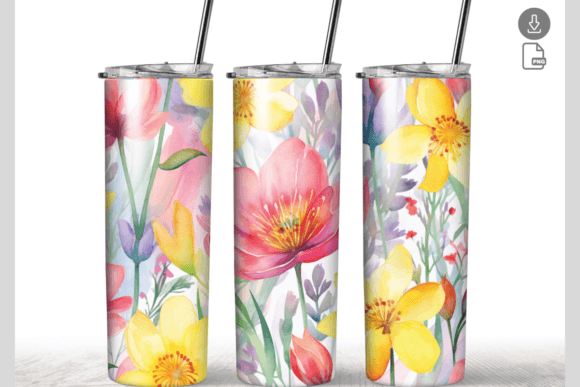
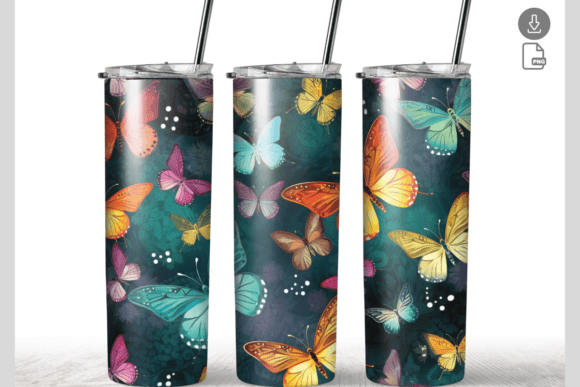
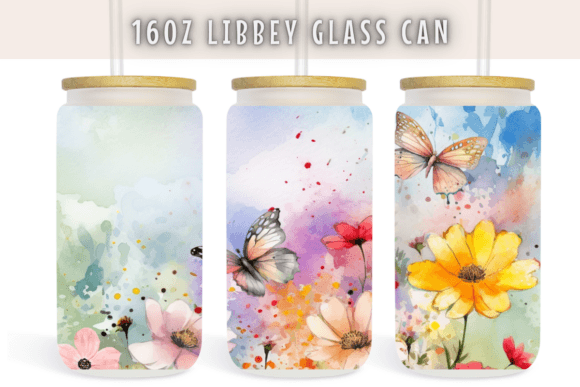
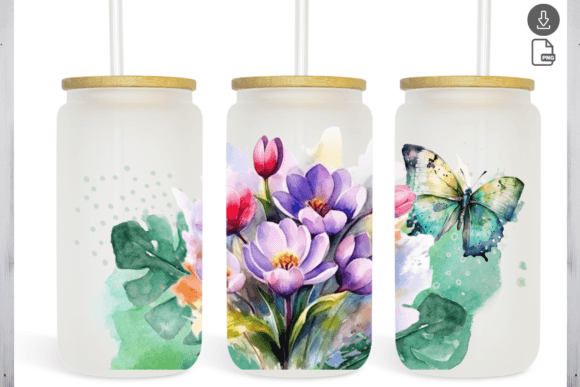
The Flower Butterfly Watercolor Tumbler immediately evokes a sense of softness and elegance. Its watercolor style is subtle yet expressive, with gentle gradients that suggest the organic flow of natural elements. The design features a delicate butterfly resting on a cluster of blooming flowers, all rendered in a muted, pastel palette. It’s the kind of image that feels more like a painting than an embroidery design—yet it has the potential to translate beautifully into a stitched piece.
First Impressions: A Mood That Speaks Volumes
At first glance, the design carries a calming, almost dreamlike quality. The soft edges and flowing lines give it a hand-drawn feel, which makes it stand out in a market often dominated by bold, geometric patterns. This subtlety makes it ideal for projects where the focus is on aesthetics rather than statement-making. Whether you're creating a personalized gift or a boutique product, this design offers a refined visual language that can elevate your handmade offerings.
Real-World Use Case: Embroidering a Custom Tote Bag
Imagine you're preparing a custom tote bag for a client who wants something elegant but not too flashy. You choose the Flower Butterfly Watercolor Tumbler as the centerpiece. The design's size—9.75 x 5 inches—is well-suited for a tote, offering enough space to showcase the details without overwhelming the canvas. However, you need to consider how the design will perform on fabric.
The watercolor effect may require careful stitching to maintain its softness. Areas with light washes or gradients might lose definition if the stitch density isn't controlled. On darker fabrics, the design could appear flat, so testing on scrap fabric is essential. Likewise, on lighter backgrounds, the colors may look washed out unless the thread contrast is strong enough.
Design Performance in Practical Embroidery Projects
The Flower Butterfly Watercolor Tumbler works best on smooth, flat surfaces like cotton or linen. It’s less forgiving on textured fabrics or materials with a lot of stretch. For example, using it on a knitted sweater could lead to distortion, especially around the butterfly’s wings and flower petals. Similarly, applying it to a curved surface like a cap may cause the design to appear off-center or stretched.
This design also requires attention to detail. The intricate floral patterns and delicate butterfly wings are filled with fine lines and soft transitions. While these elements add charm, they can be tricky to stitch accurately, especially on smaller hoops. If the hoop size is too small, the design may become distorted or lose its intended shape. Always check the recommended hoop size before proceeding.
Where to Use with Caution
While the Flower Butterfly Watercolor Tumbler is versatile, there are situations where it might not perform as expected:
- Small Hoop Sizes: The design’s complexity may not translate well on a small hoop, leading to loss of detail and clarity.
- Textured Fabrics: The soft, gradient nature of the design can get lost on fabrics with a rough texture.
- Dark Fabric: The pastel tones may appear muted or flat against dark backgrounds.
- Stretchy Fabric: Movement could distort the delicate lines and shapes.
- Layered Garments: The design might not show up clearly if it’s layered over other embroidered elements.
- Curved Surfaces: Caps or hats may require adjustments to ensure the design remains centered and proportionate.
- Dense Stitch Areas: High stitch density could lead to uneven coverage or color bleeding.
- Tiny Lettering or Decorative Accents: These might not be visible when stitched due to the design’s overall softness.
- Frequent Washing: The watercolor effect may fade or wear over time, especially on delicate fabrics.
Visual Appeal and Product Value
The Flower Butterfly Watercolor Tumbler adds a touch of sophistication to any project. Its artistic quality can enhance the perceived value of a handmade product, making it appealing to customers looking for unique, personalized gifts. However, the design’s subtlety means it must be presented thoughtfully. A poorly executed stitch can make the design look cheap or amateurish, undermining the effort put into the craft.
For Etsy sellers or small business owners, this design can serve as a signature element in a collection of curated, artisanal products. When paired with high-quality fabric and proper stitching techniques, it can create a cohesive brand identity that resonates with customers who appreciate handmade, thoughtful designs.
Practical Designer Notes
Before using the Flower Butterfly Watercolor Tumbler in a real project, take the following steps:
- Test on Scrap Fabric: Always test the design on a piece of scrap fabric to see how it looks and performs.
- Check Thread Color Contrast: Ensure the thread colors provide enough contrast against the fabric background.
- Review Stitch Density: Adjust the stitch settings to preserve the design’s softness without sacrificing clarity.
- Confirm Hoop Size: Make sure the design fits comfortably within your hoop to avoid distortion.
- Inspect Small Details: Pay close attention to the butterfly’s wings and flower petals to ensure they’re stitched cleanly.
- Test in Black and White Mockups: This helps identify areas where the design might lose definition.
- Compare Light and Dark Backgrounds: See how the design appears on different fabric types.
- Use Proper Stabilizer: This helps maintain the fabric’s stability during stitching.
- Check for Commercial Use: Confirm licensing terms before selling finished items or digital products.
- Consider Both Personal and Commercial Projects: Ensure the design is suitable for both private use and resale.
Conclusion: A Thoughtful Choice for the Right Project
The Flower Butterfly Watercolor Tumbler is a beautiful, artistic design that can elevate a wide range of embroidery projects. With the right approach and preparation, it can become a standout feature in custom apparel, personalized gifts, and boutique merchandise. However, it’s not a one-size-fits-all solution. Its delicate nature requires careful consideration of fabric type, hoop size, and stitching technique to ensure the final result meets both aesthetic and functional expectations.